Car Key Replacement by Make and Model: What's Actually Involved
The process of replacing a lost or broken car key varies significantly depending on what you drive. A 2015 Honda Civic with a standard transponder key is a very different job from a 2022 BMW 5 Series with a proximity smart key that communicates with the vehicle through multiple encrypted channels. Our technicians work across a broad spectrum of vehicles — domestic, import, and luxury — including Ford, Chevrolet, GMC, Toyota, Honda, Hyundai, Kia, Nissan, Subaru, Jeep, Chrysler, Dodge, Volkswagen, Audi, BMW, Mercedes-Benz, Lexus, Acura, and more. For most modern vehicles we can cut and program a new key entirely on-site, with no dealership visit required.
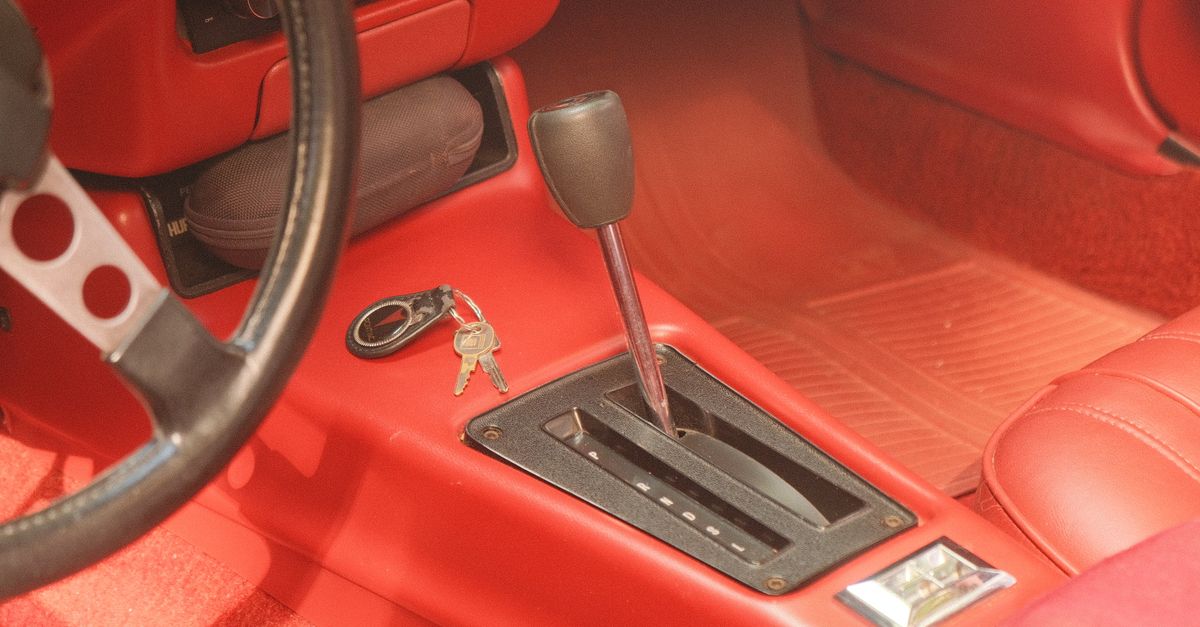
Older vehicles (generally pre-2000) often use basic laser-cut or double-sided metal keys with no embedded chip, making replacement straightforward. Vehicles from roughly 2000–2010 typically use transponder keys that require programming to match the car's ECU so the engine will actually start. Post-2010 models increasingly use key fobs with push-button start, proximity entry, or flip-key designs — each with its own programming protocol. Luxury brands like BMW and Mercedes often require proprietary software that our technicians have invested in specifically so Princeton-area drivers don't have to make a long trip to a dealership and wait days for an appointment.