What a Transponder Key Actually Does — and Why Cutting Alone Isn't Enough
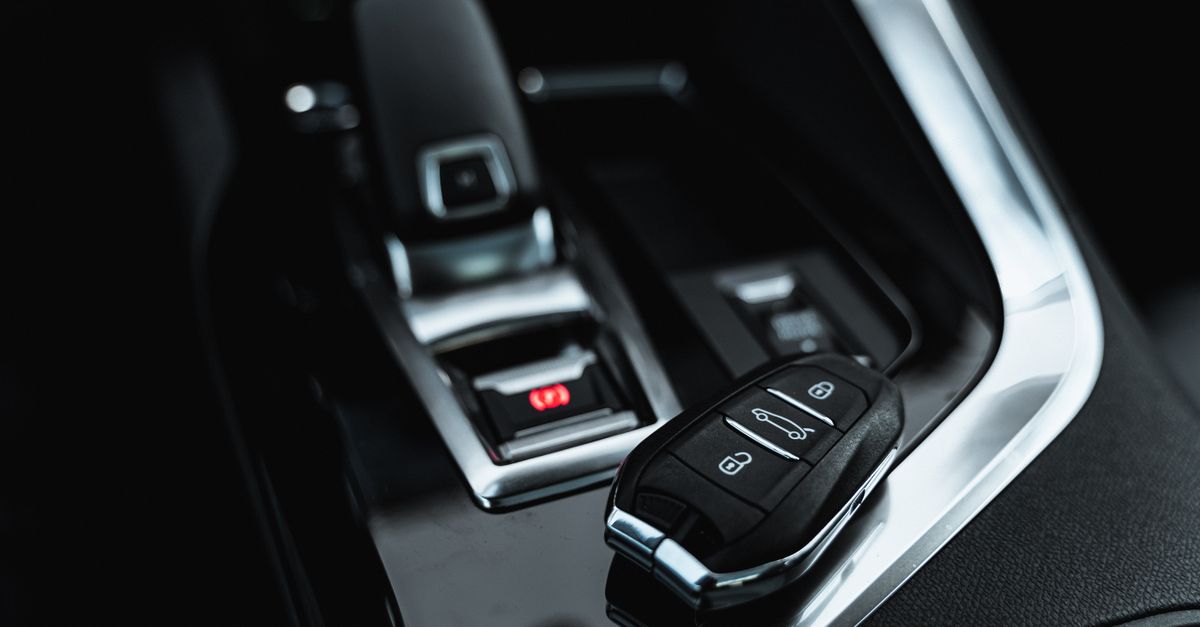
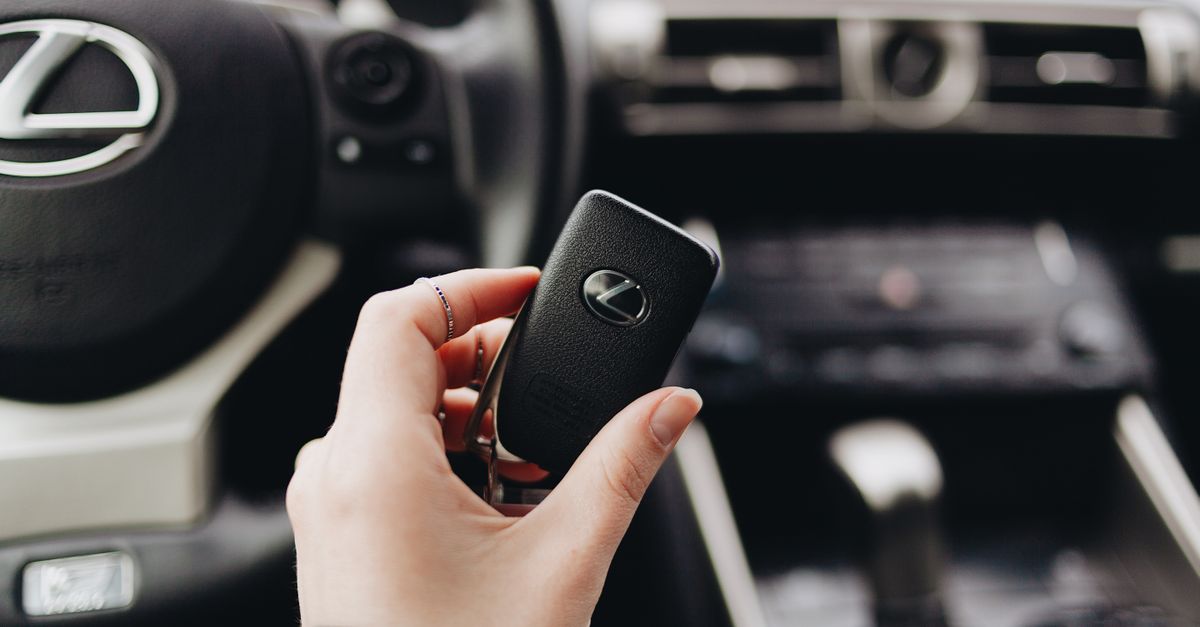
Every modern vehicle key contains a small radio-frequency chip embedded in the plastic head. When you insert the key and turn the ignition, the car's ECU sends a radio signal to that chip; the chip responds with a unique encrypted code. If the code doesn't match what the ECU expects — because the key is new, unprogrammed, or cloned incorrectly — the immobilizer engages and the engine refuses to crank, even if the metal blade is cut to perfect specification. This is why a duplicate key from a kiosk will open your door but leave you stranded when you try to start the car.
Understanding this distinction matters when you're deciding who to call. A skilled automotive locksmith doesn't just cut the blade — they use manufacturer-level programming protocols to pair the chip with your specific vehicle's immobilizer. Our technicians have hands-on experience across a broad range of vehicle platforms, from Honda and Toyota to Ford, GM, Chrysler, BMW, Mercedes-Benz, and Hyundai/Kia systems, each of which uses its own proprietary programming method.